
Behaviour consultation and Family Dog Mediation®
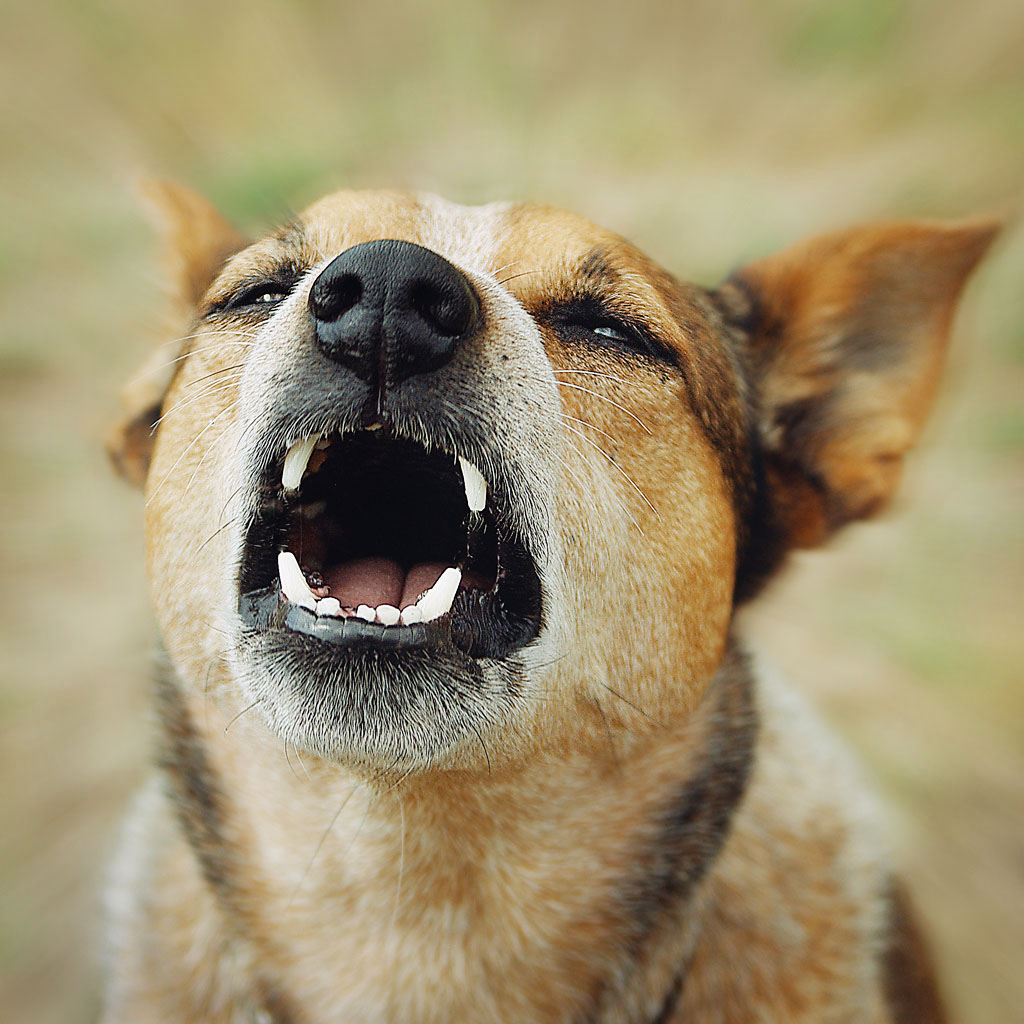
Behaviour consultation
An in-home or online behaviour consultation is appropriate when your dog is struggling emotionally and this is being expressed through their behaviour. Fear, anxiety, over-arousal or difficulty coping may be reflected in aggression, resource guarding, barking, destructive behaviour, difficulties around other dogs, unfamiliar people or children, or separation-related concerns.
These concerns can place considerable stress on both dogs and their guardians. Living with behaviour that is worrying, hard to manage or affecting everyday life can be exhausting, and it is not always easy to know what your dog needs or what to do next. With over 18 years of experience in dog behaviour and training, including many years working with complex behavioural concerns, I can help you understand what is happening and work out practical ways forward for your dog and family.
I take a whole-dog approach to behavioural assessment, looking beyond the presenting behaviour to understand what may be influencing it. This includes your dog’s learning history, environment, genetics, physical and emotional wellbeing, relationships, routines and individual needs. Behaviour is communication, so understanding the dog within the context of their whole life is an important part of working out what may be driving the behaviour.
The assessment begins before we meet. You’ll complete a detailed behavioural history form covering your dog, their environment, routines and the concerns you are experiencing. I review this carefully in advance, looking for patterns and possible contributing factors, and arrive with an initial plan already in mind. Once we meet, I observe your dog in their own environment and modify that plan where needed according to what I see.
Recommendations may include changes to management, environment, communication and routines, opportunities for natural behaviour, and practical teaching strategies. You will leave with clear priorities, so you know what to focus on first. Follow-up sessions may be recommended depending on your dog’s needs and progress.
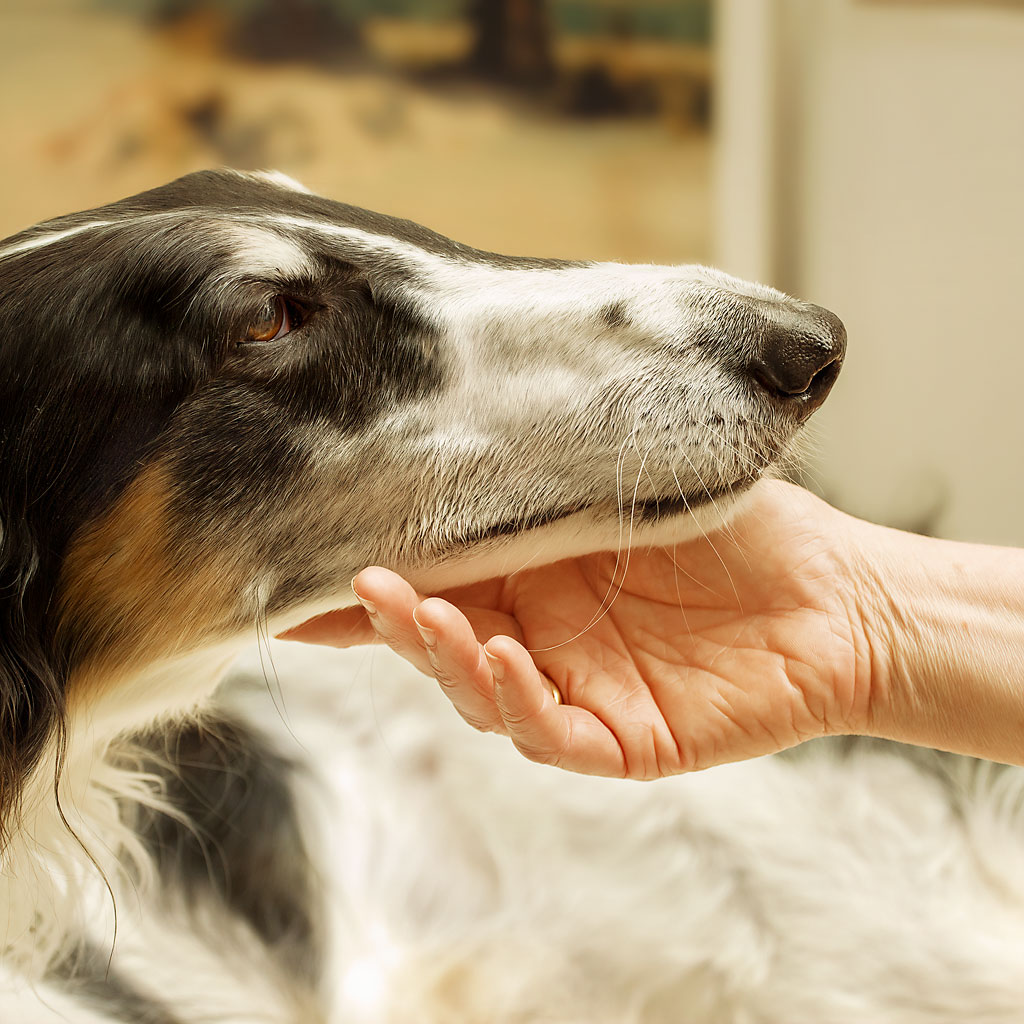
Family Dog Mediator®
As a Family Dog Mediator, I use the L.E.G.S. Model, informed by applied ethology, to understand each dog as an individual. L.E.G.S. considers Learning, Environment, Genetics and Self. Applied ethology looks at animal behaviour in the environments where animals actually live, helping us understand the dog in the context of their everyday life. This gives me a framework for considering how experience, surroundings, inherited traits and the dog’s individual characteristics influence how they feel, communicate and cope.
Dogs live within human homes, routines and communities, but their biology and needs remain canine. Genetics is an important part of this. A dog’s genetic heritage can influence what they notice, how readily they respond and which behaviours or activities are naturally significant to them. This helps us provide outlets that make sense for that dog and set more realistic expectations of them.
Family Dog Mediation reflects a contemporary understanding of dogs as sentient individuals with emotions, preferences and needs of their own. Our understanding of canine behaviour and welfare has changed considerably, and the way we live with and teach dogs should reflect that.
I also use the Total Welfare Model, which brings L.E.G.S. together with the Five Domains Model of animal welfare. This considers physical health, environment, behaviour, relationships and emotional experience as connected parts of welfare. Family Dog Mediation focuses on understanding what the dog needs within the life they are living. This may involve changing the environment, routines and expectations around the dog. I also teach guardians practical strategies they can use to help their dog feel safer, regulate more effectively and cope with everyday life.